RHI Heat Meter Replacement Guide
If you operate a renewable heating system under the UK Non-Domestic Renewable Heat Incentive (RHI), heat meters are an essential part of your installation. When a meter needs replacing, it’s important to follow the correct process to remain compliant with Ofgem requirements.
What is a heat meter?
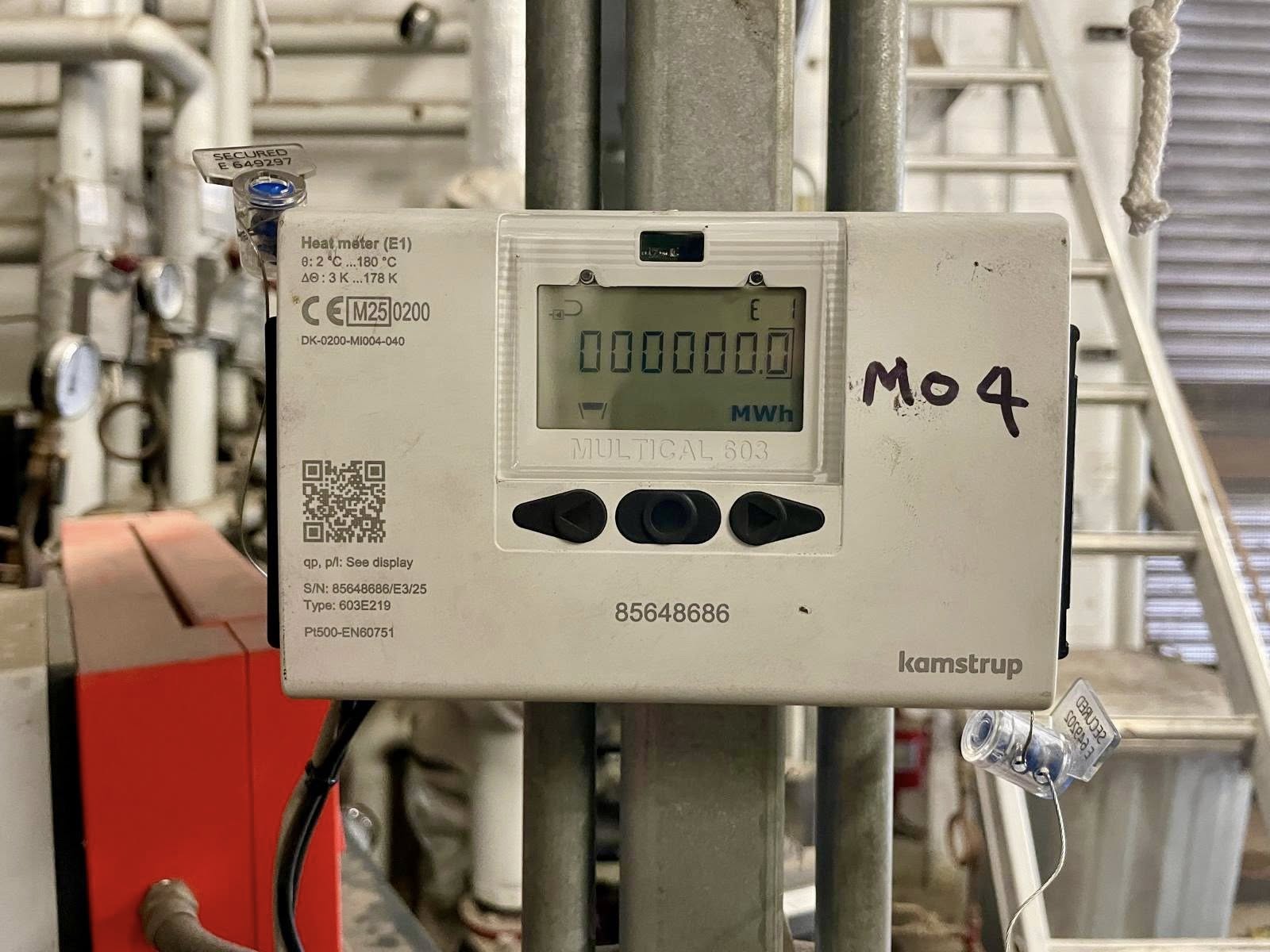
A heat meter measures how much renewable heat your system produces in kilowatt hours (kWh). In addition, this data determines your RHI payments, so accuracy is essential. If the meter stops working correctly, it can affect your reported heat output.
When is a replacement required?
A heat meter requires replacement if it becomes defective, reaches the end of its certified operational life, or forms part of planned maintenance or system upgrades. In all of these cases, you must treat the replacement as a reportable change under RHI rules.
Reporting requirements
Whenever you replace a heat meter, you must notify Ofgem within 28 days. Typically, you need to provide the following information:
- New meter serial number
- Date of installation
- Initial reading from the replacement meter
In addition, you should retain supporting evidence. For example, you should keep photographs of the installed meter and any relevant installer documentation. This creates a clear audit trail that shows exactly what changed and when.
Common issues
However, delays in processing often occur when submissions are incomplete or inaccurate. For instance, missing serial numbers, unclear photographs, or incorrect initial readings frequently trigger follow-up queries from Ofgem. As a result, even small errors can slow down approval.
Summary
Overall, heat meter replacement is a routine process. Nevertheless, you must document it accurately and report it within the required timeframe. If you submit complete and clear information, you can usually maintain compliance with Ofgem without difficulty.
Our Services